
 CALL US NOW
 GET A FREE QUOTE

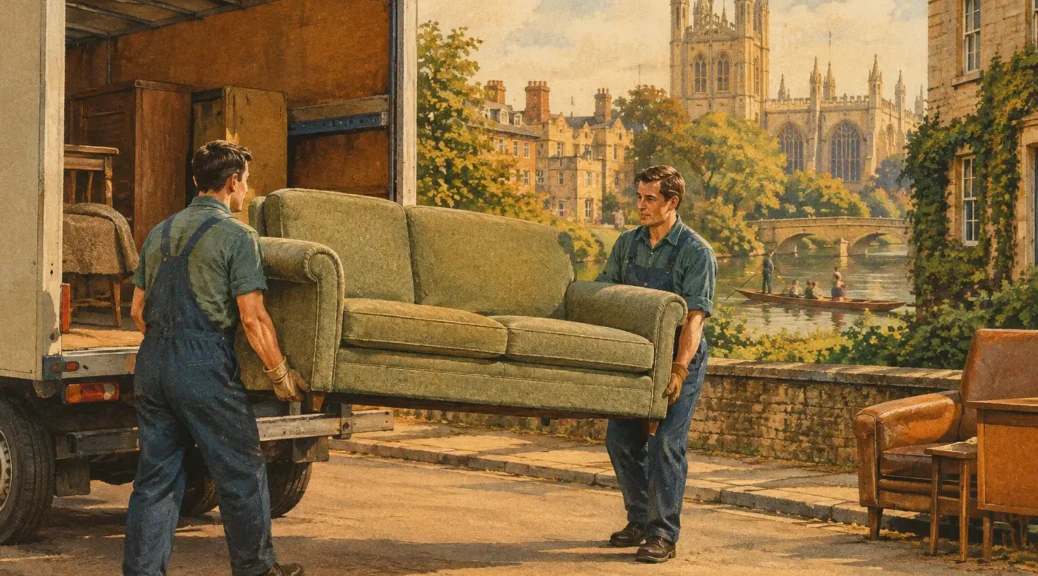
A worn-out sofa can become a problem at exactly the wrong time: moving day is close, a tenancy is ending, or a new suite is due for delivery. If you are searching for how to dispose of sofas legally, the key point is simple: do not leave it at the kerb, beside communal bins or in a lay-by and assume it will be collected. In Cambridgeshire, as elsewhere in England, a sofa must go through a legitimate reuse, recycling or waste-disposal route.
Getting it right protects you from fly-tipping penalties, avoids a last-minute collection scramble and makes sure the furniture is handled safely. The best option depends on the sofa’s condition, where it is kept and whether it comes from a home or a business.
How to dispose of sofas legally: start with their condition
Before arranging a collection, take an honest look at the sofa. Is it clean, structurally sound and still safe to use? Does it have its fire safety label attached? These details determine whether reuse is realistic or whether disposal is the sensible route.
A sofa that is clean, complete and in good condition may be suitable for donation or resale. Local charities, furniture projects and second-hand buyers sometimes accept upholstered furniture, but acceptance is never automatic. Most organisations will want to see a clear photograph first and may refuse items with stains, rips, pet damage, odours, missing cushions or signs of pests. They will also usually check for the required fire safety label.
Do not describe a tired or damaged sofa as reusable simply to avoid disposal costs. If an organisation declines it, or it has reached the end of its useful life, arrange proper waste removal instead. This is particularly relevant for landlords clearing a property quickly between tenancies, or households managing a full house move.
Why upholstered sofas need extra care
Upholstered domestic seating, including many sofas, armchairs, futons and sofa beds, can contain persistent organic pollutants, often referred to as POPs. These are chemicals found in some older upholstered furniture and foam. Waste rules require this type of furniture to be handled separately and sent for appropriate treatment, rather than broken up or put into ordinary mixed waste.
This is one reason a sofa should not be dismantled and placed in household bins. It should not be burned in a garden either. Even if the item looks easy to cut up, the materials inside may need specialist handling.
There are exceptions and technical details depending on the item, its age and materials, so do not try to guess whether a particular sofa can go with general rubbish. A council recycling centre or a licensed waste carrier can advise on the correct route. If the furniture is intended for genuine reuse, deal with this before it becomes waste.
Your legal disposal options
For most households, there are three practical choices: take the sofa to a household waste recycling centre, book a council bulky-waste collection, or use a registered waste carrier. Which is best comes down to your time, access to a suitable vehicle and the amount of other waste you need removed.
Take it to a recycling centre
A household waste recycling centre can be a cost-effective option if you can transport the sofa safely. Check the site’s current rules before setting off. Some centres require booking, have vehicle restrictions or limit access for vans, trailers and commercial-type vehicles. Bring any proof of address requested by the site.
This route works well for a single item when you have help to load it and enough time. It is less practical if you live in a flat, have no suitable vehicle, are clearing several rooms or need the furniture gone before keys are handed back.
Book a council bulky-waste collection
Many local councils offer paid bulky-item collections. Availability, charges, collection days and the number of items allowed vary by area, so check the arrangement carefully before booking. You may be asked to leave the sofa in an agreed, accessible position on a specified day.
A council collection can be convenient, but it is not always the fastest answer. Bookings may be limited during busy periods, and items left out too early can attract complaints, damage or illegal dumping around them. Keep the sofa inside or in a secure area until the collection instructions say otherwise.
Use a licensed waste removal company
For a fast, flexible option, particularly when several items need clearing, book a registered waste carrier. A professional team can remove the sofa from the room, load it safely and take it to an authorised facility. This is often the easiest option during a house move, end-of-tenancy clearance, office relocation or landlord turnaround.
Vantage 24/7 Services provides sofa and waste removals across Cambridge and surrounding Cambridgeshire areas, with the option to combine clearance support with removals or cleaning where needed. One booking can be far easier than arranging a van, a tip run, cleaning and separate collections yourself.
Do not use an unlicensed collector
A low-price advert on social media or a stranger offering to take your sofa “for cash” can be tempting when you need it gone today. However, if that person dumps the furniture illegally, you could still be contacted by the council. Your responsibility does not end when the sofa leaves your property.
Before handing over waste, ask the collector for their waste carrier registration details and check that they are authorised. A legitimate operator should be happy to provide this information. Keep a written receipt, invoice or collection confirmation showing what was removed, the date and the company’s details.
Be wary of anyone who cannot provide paperwork, insists on cash with no record, arrives in an unmarked vehicle or pressures you to put the sofa outside before they arrive. A clear and competitive quote is useful, but proof of lawful disposal matters far more than the cheapest price.
Extra responsibilities for landlords and businesses
If the sofa comes from a rental property, office, shop, student accommodation or other commercial premises, treat disposal with extra care. Businesses have a formal duty of care for the waste they produce. They should use an authorised carrier and retain the appropriate waste transfer documentation.
Landlords may be clearing furniture left behind by former tenants, but that does not make it acceptable to add it to street bins or leave it beside a shared bin store. Managing agents and office managers should also make sure staff do not arrange informal collections without approval. A documented, licensed collection protects the business and helps prevent disputes over who left waste at a property.
When arranging a larger clear-out, provide accurate details from the start. Mention the number of sofas, whether there are stairs, parking restrictions, lift access, bulky furniture and any other waste to remove. Good information allows the collection team to send the right people and vehicle, avoiding delays or unexpected charges on the day.
Prepare the sofa for collection
You do not need to make a sofa look new before it is removed, but a few checks make collection quicker and safer. Empty storage sections, remove loose items from underneath and check behind cushions for keys, paperwork, toys or valuables. If it is a recliner or sofa bed, tell the collector in advance, as these can be especially heavy and awkward to move.
Clear a route through halls and doorways where possible. If parking is difficult, explain the nearest lawful loading point. Never drag a sofa across a public pavement or leave it blocking an entrance, fire exit or shared access route while waiting for collection.
If you are replacing several household items at once, consider booking a combined clearance rather than arranging separate trips. It can save time, reduce disruption and may offer better value than paying for individual removals.
A legal sofa disposal route does not have to slow down your move or property clear-out. Choose reuse only when the item genuinely qualifies, use an approved recycling or collection route when it does not, and keep evidence of who took it away. That small bit of care keeps your property clear, your plans moving and your old sofa out of the wrong place.