
 CALL US NOW
 GET A FREE QUOTE

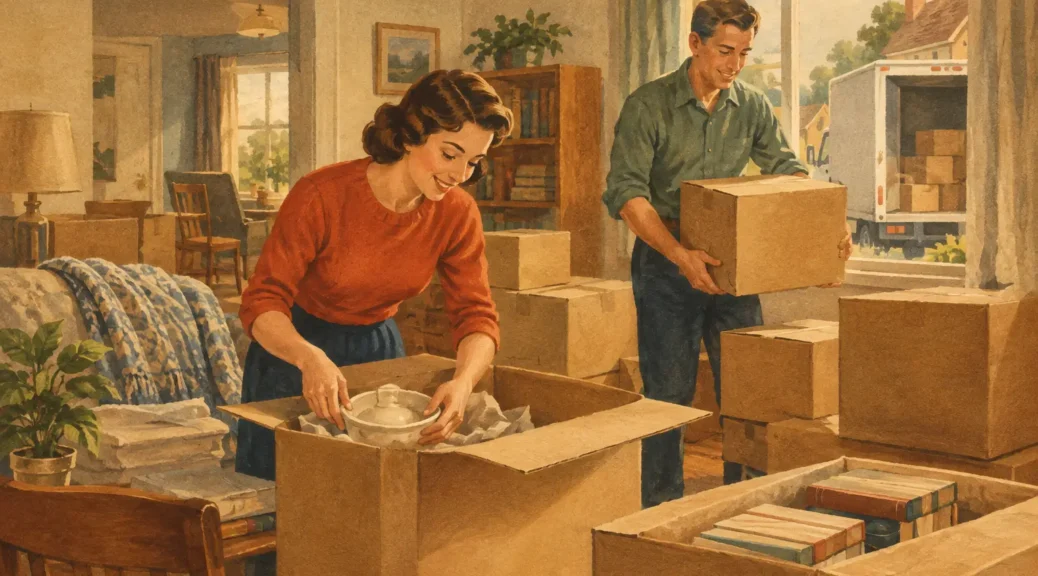
A move can go wrong before the van arrives. Overfilled supermarket boxes split on the stairs, loose books make cartons impossible to lift, and a last-minute hunt for tape wastes time you do not have. Choosing the best boxes for moving house makes packing safer, quicker and far less stressful – whether you are moving a student room, a family home or a small office.
The right box is not always the biggest box. It needs to suit the item inside, remain manageable when full, and protect your belongings during loading, transport and unloading. A few well-chosen, strong cartons will usually serve you better than a pile of mismatched boxes collected at random.
Best boxes for moving house: start with strength
For most household moves, purpose-made double-wall cardboard boxes are the sensible choice. They are stronger than standard single-wall cartons, stack more securely in a removal van and are less likely to buckle under the weight of other boxes. This matters when the load includes books, kitchenware, files or heavier household items.
Single-wall boxes can still be useful for lighter belongings such as bedding, cushions, lampshades and children’s soft toys. The trade-off is that they should not be overloaded and should be placed towards the top of the stack. If a box feels soft at the sides before you have even taped it, do not trust it with anything valuable or heavy.
Used boxes can save money, especially for a smaller move, but inspect every one carefully. Avoid cartons with damp patches, torn corners, crushed edges or old food residue. A box that has already spent months in a garage may look usable, yet it can fail as soon as it is lifted from the floor.
Choose the right box size for each room
Packing is easier when you use a small range of reliable sizes rather than dozens of odd-shaped cartons. Most moves need small, medium and large boxes, with a few specialist options for awkward belongings.
Small boxes for heavy items
Small cartons are the workhorses of a house move. Use them for books, vinyl records, tins, tools, small appliances, paperwork, toiletries and heavier kitchen items. Keeping heavy belongings in a smaller box prevents it becoming too difficult to lift and reduces the chance of the bottom giving way.
Books are a common mistake. They fit neatly into a large box, but a large box full of books can quickly become unsafe for anyone carrying it. Pack books flat or alternate their direction to keep the load level, and fill gaps with lighter items such as rolled tea towels.
Medium boxes for everyday belongings
Medium boxes are often the most useful all-round size. They suit plates, glasses, saucepans, framed pictures, toys, shoes, small electronics and cupboard contents. Pack fragile items with wrapping paper or bubble wrap, then use crumpled paper, towels or clean linen to stop movement inside the carton.
Do not leave empty space at the top. Contents that shift in transit are more likely to chip, crack or crush. At the same time, do not force the flaps shut. If the box will not close naturally, remove a few items and use another carton.
Large boxes for light, bulky items
Large boxes are best for duvets, pillows, bedding, towels, coats, curtains and lightweight plasticware. They can also be useful for children’s soft toys and lampshades. Their size makes them tempting for everything, but they are not designed for dense, heavy packing.
A good rule is simple: if you would struggle to carry the box from one room to another, it is too heavy. This protects your belongings, your floors and the people doing the lifting.
Specialist moving boxes worth paying for
Some items need more than a standard carton. Specialist boxes can feel like an extra cost, but they often prevent damage and save time on moving day.
Wardrobe boxes have a hanging rail inside, allowing you to transfer clothes directly from the wardrobe without folding them. They are particularly useful for suits, dresses, coats and anything you do not want creased. They also make sense for short-notice moves, as packing and unpacking clothes becomes much faster.
Picture and mirror boxes are adjustable cardboard sleeves designed for framed artwork, mirrors and flat-screen televisions. Use corner protectors and wrap the item first. Never rely on a thin box alone for a large mirror or valuable frame.
Bottle boxes with internal dividers help protect wine, spirits and glass bottles. Dish-pack boxes, which are usually stronger than ordinary cartons, are useful for crockery and glassware. If you have a large collection of fragile kitchen items, this is one area where stronger packaging is worth the investment.
For mattresses, sofas and larger furniture, protective covers are often more useful than boxes. They keep dust, moisture and scuffs at bay while items are carried through doorways and loaded into the van.
How many moving boxes do you need?
The number depends on how long you have lived in the property, how much storage you have and how much decluttering you do before packing. As a rough starting point, a one-bedroom flat may need 20 to 35 boxes, while a two or three-bedroom home often needs 40 to 70 or more. Families with loft storage, garages, sheds or children’s belongings may need considerably more.
It is better to have a few spare boxes than to start filling bin bags or weak cartons on the final evening. Spare boxes are useful for last-minute cupboard contents, cleaning supplies, bedding and the items you need to keep separate for your first night.
Before buying, walk through each room and include hidden storage spaces. Check under beds, on top of wardrobes, in garden sheds, cupboards, filing cabinets and lofts. These are usually where the box count rises.
Pack boxes so they survive the journey
Even the best box will fail if it is packed badly. Tape the bottom seam and run a second strip across it for heavier loads. Place heavier items at the bottom, lighter items at the top, and keep each box to one room where possible. This makes unloading and unpacking much easier.
Write the destination room and a short contents note on at least two sides of every box. “Kitchen – everyday plates” is much more useful than simply writing “kitchen”. Mark fragile boxes clearly, but remember that clear labelling does not replace proper wrapping and sensible stacking.
Keep an essentials box with kettle, mugs, chargers, medication, important documents, basic tools, toilet roll, snacks and a change of clothes. Take this with you rather than placing it deep inside the removal van. It is one small decision that makes the first few hours in a new property much easier.
Do not box up what should be cleared
Moving is an ideal time to avoid transporting items you no longer need. Broken furniture, old paint, unwanted garden equipment, damaged electricals and bags of unused clothes all take up room in the van and add to packing time. Clearing them before moving day can reduce the number of boxes, the size of vehicle required and the overall cost of your move.
If you are working to a deadline, coordinating removals, waste removal and end of tenancy cleaning separately can become a job in itself. Vantage 24/7 Services can help Cambridgeshire customers arrange practical moving support, clearance and cleaning through one dependable provider, including short-notice work where availability allows.
When professional packing support makes sense
Packing yourself is often the most affordable route if you have time, suitable materials and a straightforward move. However, professional support can be worthwhile for large properties, fragile collections, busy families, office moves or tight completion dates. It is also useful when access is difficult, such as upper-floor flats, narrow staircases or properties with limited parking.
The best approach is the one that keeps the move controlled. Use strong boxes for what you pack yourself, label them clearly, and do not leave the difficult jobs until moving morning. A few sensible packing choices now can mean your belongings arrive safely, your movers can work efficiently, and you can start settling in rather than searching through damaged cartons.