
 CALL US NOW
 GET A FREE QUOTE
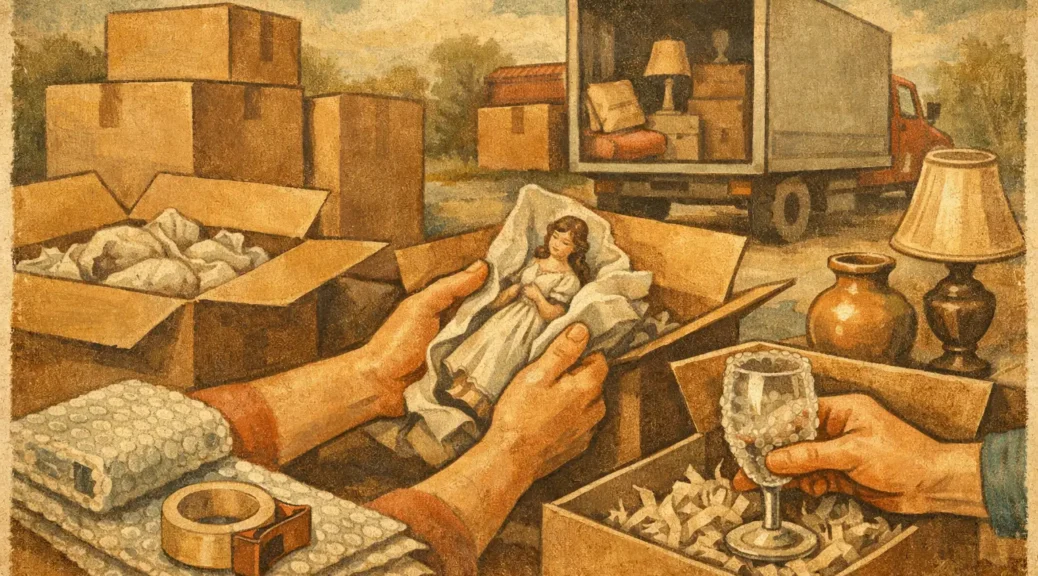
A cracked wine glass or chipped picture frame can turn an otherwise successful move into an unnecessary frustration. Knowing how to pack fragile items safely means more than adding a layer of bubble wrap. It is about using the right box, protecting each item properly and making sure nothing can shift while the van is on the road.
Whether you are moving from a Cambridge flat, clearing a family home or relocating an office, packing delicate belongings early gives you more control on moving day. The following practical approach helps protect the items that are hardest and most expensive to replace.
Start with the right packing materials
Fragile items need firm outer protection and soft inner cushioning. Reusing sturdy removal boxes is sensible, but avoid boxes that are damp, split or weakened at the base. A strong box can still fail if it is overloaded or poorly taped.
Before you start, gather enough materials to pack in one session. Stopping halfway through to find tape often leads to rushed packing and gaps inside boxes. You will usually need:
- Double-walled boxes in a few sensible sizes
- Packing paper or plain unprinted paper
- Bubble wrap for particularly delicate or high-value pieces
- Strong packing tape and a marker pen
- Cardboard dividers or small boxes for glassware
- Clean towels, blankets or bedding for larger items
Newspaper can work as extra padding, but avoid wrapping pale ceramics, lampshades or fabric items directly in it because ink can transfer. Packing paper is cleaner and easier to handle. Towels and clothing can reduce waste, although they should not be your only protection for glass or fine china.
How to pack fragile items safely, one piece at a time
The main rule is simple: wrap individual items before they go into a box. Placing loose glasses, bowls or ornaments together and adding padding on top is unlikely to prevent damage. The items can knock together whenever the box is lifted, turned or placed in the vehicle.
Set up a flat packing area and work steadily. Put a thick layer of crumpled paper at the bottom of every box, then wrap each item separately. Keep the heaviest items at the bottom and the lightest at the top, without making the box too heavy to lift safely.
Once a box is full, fill every empty space with scrunched paper, bubble wrap or soft textiles. A properly packed box should not rattle when you gently move it. If it does, add more cushioning before sealing it.
Plates, bowls and serving dishes
Plates are stronger when packed on their edges rather than laid flat. Wrap each plate in packing paper, bundle a small number together and stand them upright in a sturdy box. Add cardboard between stacks if you have it, and cushion the sides well.
Bowls should be wrapped individually, with extra paper tucked inside them. For serving dishes, protect handles and rims with a separate layer of bubble wrap. Do not put heavy cookware in the same box as china, even if there seems to be room.
Glasses, mugs and bottles
Glasses are vulnerable at the rim, stem and base. Start by placing paper inside each glass, then wrap the outside and secure the paper with tape if needed. Stemware deserves additional bubble wrap around the stem and should be packed upright in a divided box where possible.
Mugs should be wrapped one by one, especially around handles. Bottles should be emptied where practical, sealed tightly and placed upright in a snug box. If you are moving unopened bottles, wrap them well and keep the box small enough to manage safely.
Mirrors, pictures and framed artwork
Tape a large X across the glass surface of a mirror or frame using low-tack masking tape. This will not stop the glass breaking, but it can help hold pieces together if an impact happens. Protect the corners with cardboard and wrap the whole item in bubble wrap, a moving blanket or a padded cover.
Keep mirrors and framed pictures upright, never flat beneath other belongings. Mark both sides clearly so anyone carrying them knows that the item is fragile. Valuable artwork, antiques and oversized mirrors may need specialist packing or transport rather than a standard household box.
Lamps, electronics and televisions
Remove light bulbs, shades and detachable parts before packing a lamp. Wrap the base separately from the shade, as lampshades crush easily and do not cope well with tight packing. Keep screws, remotes and leads in labelled bags taped to the relevant item or stored together in a clearly marked essentials box.
For televisions, monitors and computers, the original packaging is best if you still have it. If not, use a purpose-made TV box or wrap the screen in a clean soft cloth followed by padded protection. Never place pressure directly on a screen, and transport it upright. Take photographs of cable connections before unplugging office equipment to make set-up quicker at the other end.
Choose box size carefully
A large box is not always the best choice for fragile belongings. It is tempting to fill one big carton with plates, books and ornaments, but that makes it difficult to lift and increases the chance of items crushing one another.
Use smaller boxes for glass, ceramics, books and dense decorative pieces. Medium boxes suit lamps, kitchenware and mixed breakables, provided everything is individually wrapped. Large boxes are better for lighter fragile items such as cushions, bedding and lampshades.
Tape the bottom of every box with several strips, including one strip across the central seam and two across the width. If a box feels heavy before it is full, stop and start another. A manageable box is safer for both your belongings and the person carrying it.
Label boxes clearly, but do not rely on labels alone
Write “FRAGILE” on the top and at least two sides of each box. Add a brief description such as “Kitchen glasses”, “Bedroom mirror” or “Office monitor” so boxes can be placed in the right room and unpacked in the right order.
Labels help, but careful loading matters more. Fragile boxes should travel on a flat, stable surface, away from heavy furniture and appliances. They should not be stacked under boxes of books or pushed into gaps where they can slide about. Keep the most delicate boxes accessible so they can be unloaded promptly rather than left beneath a pile of general household items.
Avoid the packing mistakes that cause most damage
Many breakages happen because packing is left until the final evening before a move. When time is short, people tend to overfill boxes, skip individual wrapping and use whatever carton is nearby. Start with items you do not use every day, such as display pieces, spare crockery and seasonal decorations.
Do not pack fragile items with sharp tools, cleaning products or loose heavy objects. Avoid leaving gaps inside boxes, but do not force items into place either. Pressure can be as damaging as movement. Also be cautious with boxes marked fragile in shared storage areas or communal hallways, where they may still be moved by someone who has not packed them.
If you are unsure whether an item can travel safely in a standard removal van, it is worth asking before moving day. Pianos, large glass tables, antiques, marble tops and awkward statement mirrors often need a different handling plan. The right support is usually cheaper than replacing a damaged item afterwards.
Make moving day easier for your fragile boxes
Set aside a small vehicle load or clearly defined area for fragile items before the removal team arrives. Tell the team which boxes contain high-value or especially delicate belongings, and point out anything with a weak frame, loose component or sentimental value.
At Vantage 24/7 Services, we know that a quick move still needs careful handling. A planned removal, the right vehicle space and clear communication make a real difference when you are moving fragile household or office items across Cambridgeshire.
Pack the most important breakables first, keep every box liftable and give yourself enough time to check for movement before sealing. That extra few minutes of care is what helps your favourite things arrive ready for the next chapter, not the repair bin.