
 CALL US NOW
 GET A FREE QUOTE
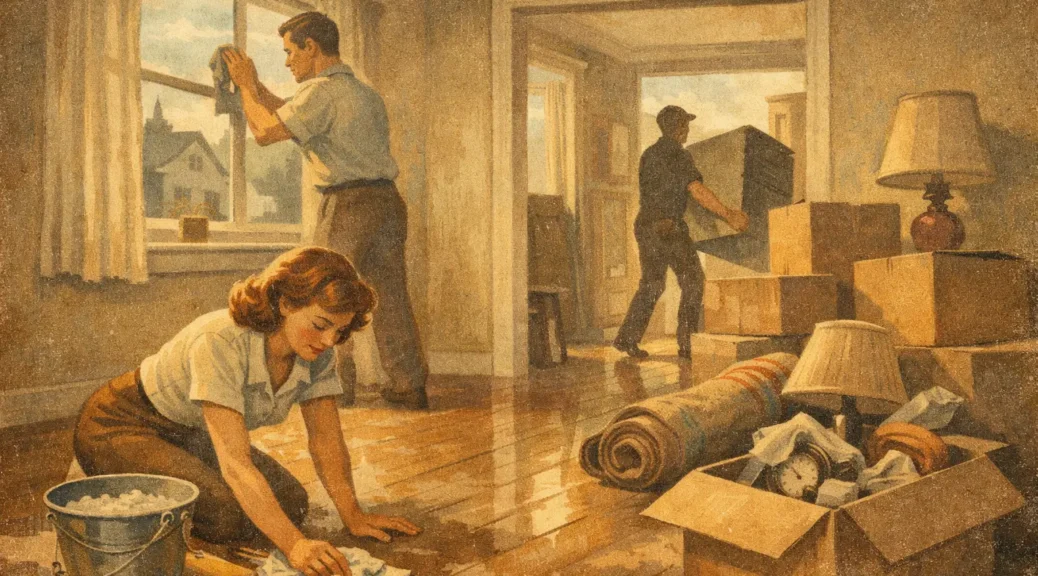
The last box may be taped up, but the move is not finished until the property is clean. A deep clean before moving is one of the quickest ways to avoid deposit disputes, rushed handovers and the awkward discovery that the oven, skirting boards or bathroom need far more attention than expected.
For tenants, a properly cleaned home can make a real difference at checkout. For landlords and homeowners, it creates a better first impression and makes the next stage of the move easier. The challenge is that cleaning rarely happens in isolation. You may also be arranging removals, clearing unwanted furniture, taking rubbish away and collecting keys, often within a very tight timeframe.
That is why the best approach is not simply to clean harder. It is to plan the job in the right order and get practical support where it saves time.
Why deep clean before moving matters
A standard weekly clean deals with the surfaces you see every day. A moving clean goes further, covering the places that are normally hidden by furniture, overlooked during busy weeks or left until there is no time remaining. Think inside cupboards, behind appliances, around door frames, extractor fans, bathroom grout and the inside of the oven.
If you are renting, your tenancy agreement may require the property to be returned in the same condition as when you moved in, allowing for fair wear and tear. That does not mean every mark must disappear, but it does mean the home should be clean, empty and ready for the next occupant. Keeping photographs and a copy of your original inventory can help you judge what needs attention.
For sellers, a deep clean is about presentation as well as courtesy. Buyers are often viewing a home at a stressful point in their own move. A clean kitchen, fresh bathroom and empty cupboards make the property feel cared for. It also reduces the chance of returning to deal with an issue after completion.
There is another practical benefit: cleaning an empty property is faster. Once sofas, wardrobes, boxes and unwanted items are out of the way, cleaners can reach the full floor area and the corners that matter. Trying to deep clean while packing usually creates duplicate work and makes a demanding day longer than it needs to be.
The right order for a deep clean before moving
The simplest rule is clear first, clean second. Do not spend an hour scrubbing around items that will be moved or thrown away tomorrow. Start by deciding what is going with you, what can be donated or sold, and what needs to be removed as waste.
Book removals early if you can, then arrange clearance for unwanted bulky items, bags of rubbish or old appliances that cannot go in your household bin. Garden waste, broken furniture and accumulated loft or shed contents can quickly turn a manageable cleaning job into a major clearance project. Getting these items out first gives you a clear, safe space to work in.
Once the rooms are empty, clean from top to bottom. Dust and cobwebs fall downward, so begin with ceilings, light fittings, curtain rails and high shelves. Move on to walls, doors, switches, skirting boards and internal windows, then finish with floors. This order prevents you from re-cleaning areas you have already completed.
Kitchens and bathrooms usually need the most time. These are the rooms where limescale, grease and hygiene concerns are most visible, particularly during a rental inspection. If your move date is close, it is often sensible to clean bedrooms and living spaces yourself while booking specialist help for the oven, carpets or a full end of tenancy clean.
A room-by-room moving clean checklist
Use this checklist once furniture and rubbish have been removed:
- Kitchen: Empty and wipe cupboards, clean worktops, degrease the hob and extractor, clean the fridge and freezer, wash the sink and taps, and clean inside the oven if required.
- Bathroom and toilet: Remove limescale from taps, shower screens and tiles; clean the bath, basin, toilet, mirrors, extractor fan and cabinet interiors.
- Bedrooms and living areas: Dust all surfaces, wipe wardrobes and shelves, clean skirting boards, remove cobwebs, clean internal glass and vacuum or mop floors.
- Hallways and stairs: Pay attention to handrails, switches, entrance doors, marks on walls and carpet edges. These high-traffic areas are easy to miss.
- Utility spaces and storage areas: Check cupboards, boiler areas, sheds, lofts and garages. Empty them fully and remove all rubbish.
- Outside areas: Sweep paths, remove bagged waste, clear the garden of personal items and check that bins are not overflowing.
This is a guide, not a reason to clean damage that is not your responsibility. If there is a cracked tile, a faulty appliance or an old stain noted on the inventory, report it rather than trying to hide it. Cleaning and repairs are different jobs, and confusing them can lead to unnecessary cost.
The jobs people most often underestimate
Oven cleaning is at the top of the list. Burnt-on grease, racks and glass panels can take several hours when done properly. Strong chemicals may also create fumes or damage surfaces if used incorrectly. A professional oven clean can be worthwhile where the appliance is heavily soiled or a landlord specifically expects it to be cleaned to a high standard.
Carpets are another common issue. Vacuuming removes loose dust, but it will not always lift pet hair, stains, odours or dirt pressed deep into the pile. Whether a professional carpet clean is needed depends on the condition of the carpet and the terms of your tenancy. Do not assume it is automatically required, but do check your agreement and inventory. If you have pets, children or visible marks, arranging carpet cleaning is often the sensible option.
Appliances deserve a separate check. Defrost the freezer in good time, because a rushed defrost can leave water across the kitchen floor. Clean the fridge, remove shelves if necessary and make sure no food has been left behind. Washing machine drawers, filters and seals can also hold dirt and detergent residue.
Finally, do not forget the small details. Empty all bins, remove hooks and temporary fixings where appropriate, take final meter readings, and photograph every room once it is clean and empty. Those photographs are useful evidence if questions arise later.
When to book professional help
A professional clean is not always essential. If the property is small, well maintained and you have several clear days before the move, doing it yourself may be the most cost-effective route. The trade-off is time. Moving days are unpredictable, and a two-hour cleaning job can become an all-evening task once you uncover grease behind the cooker or clutter in a garage.
Professional support is particularly useful for short-notice moves, end of tenancy handovers, large family homes, shared houses, office relocations and properties with heavy cleaning or clearance needs. It also makes sense when you need several jobs handled in one visit. Rather than coordinating separate removal, waste and cleaning companies, you can arrange the practical work around the same moving schedule.
Vantage 24/7 Services can combine removals, house clearance, waste removal, end of tenancy cleaning, deep cleaning, carpet cleaning and oven cleaning for customers across Cambridge and wider Cambridgeshire. This one-stop approach is useful when time is tight: clear the property, move what you are keeping, then clean the empty space without chasing multiple providers. Asking for all required services together may also help you access a multi-service discount.
When requesting a quote, be clear about the property size, number of rooms, condition of the kitchen and bathroom, carpeted areas, bulky items for removal and your handover deadline. Photos are helpful for estimating clearance or heavy cleaning work accurately. A clear brief means fewer surprises on the day and a more realistic price from the start.
Build cleaning time into the moving plan
Aim to schedule the main clean after the removal team has loaded the last item, not before. If possible, keep one box aside with cleaning essentials: cloths, bin bags, gloves, multipurpose cleaner, bathroom cleaner, a mop, a vacuum and paper towels. Keep this box with you rather than loading it into the van.
Allow more time than you think you need, especially if you are handing keys back on the same day. Many tenants find it easier to move out one day, clean the following morning and arrange their inspection afterwards. That is not always possible, but even a few extra hours can reduce pressure significantly.
A clean, empty property gives you a calmer final handover and lets the next person walk into a space that is ready for its next chapter. Plan the clearance, removals and cleaning as one job, and the end of your move will feel far more manageable.