
 CALL US NOW
 GET A FREE QUOTE
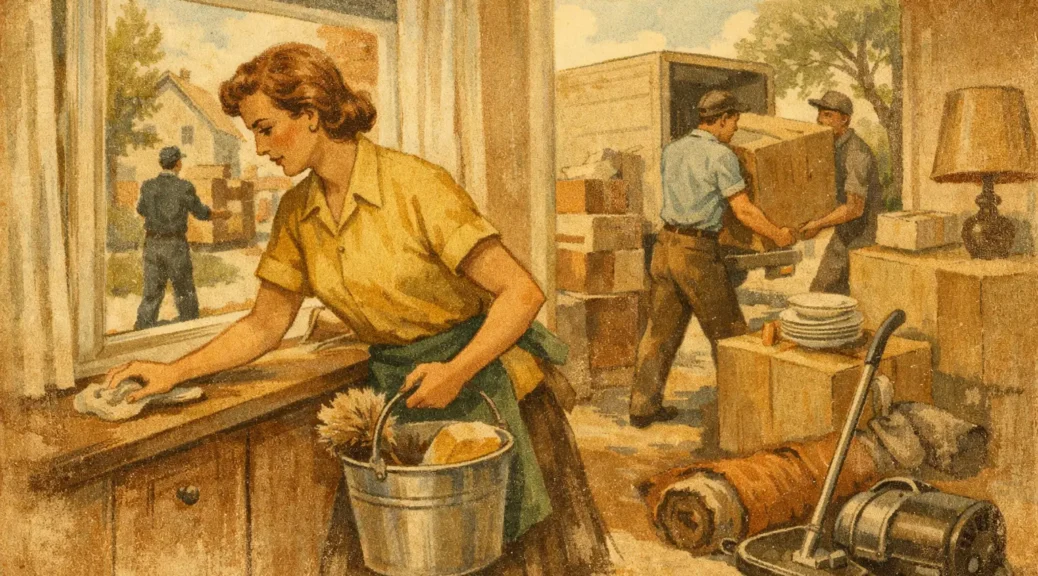
A removal van on the drive, keys due back by midday and boxes still covering the floor is not the moment to start hunting for cleaning sprays. The best moving day cleaning tips are less about doing every job perfectly and more about getting the right work done in the right order. A clear plan protects your deposit, keeps handover simple and lets you arrive at your new home without carrying yesterday’s dust and clutter with you.
Start with a clean-out, not a clean-up
Cleaning around unwanted items wastes time. Before you reach for a cloth, make a final sweep of every room, cupboard, shed and loft space. Anything staying behind should be there deliberately. Check behind doors, under beds, on high shelves and in the garage, where loose items often get forgotten until the van has gone.
Separate what is coming with you from what can be donated, recycled or removed. This is especially useful when moving from a family home or clearing a long-held tenancy, where spare furniture, old paint tins and broken appliances can quickly turn a simple clean into a much larger job. If there is more waste than your council collection can handle, arranging clearance alongside your removal is usually faster than trying to make several tip runs.
Do this before the main packing is finished, not after. The fewer items left in the property, the easier it is to see marks, dust and areas that need attention.
Work room by room after the van is loaded
The most effective moving day cleaning happens once each room is empty. There is no need to deep-clean a bedroom while clothes rails and boxes are still being carried through it. Ask your removal team to load one area fully, then clean that space from top to bottom while it is clear.
Start high and finish low. Dust light fittings, curtain rails and skirting boards before wiping surfaces and vacuuming or mopping the floor. This prevents you from cleaning the same area twice. Keep one small cleaning caddy with you rather than leaving products scattered around the house.
For most moves, a practical kit includes:
- Multi-purpose cleaner, disinfectant and limescale remover
- Microfibre cloths, sponges, bin bags and paper towels
- Vacuum cleaner, mop, bucket and dustpan and brush
- Glass cleaner, rubber gloves and a small scraper for stubborn marks
Avoid using harsh products on an unfamiliar surface. Strong oven cleaner, bleach or abrasive pads can damage natural stone, painted cupboards and some flooring. If you are unsure, use a suitable product sparingly and test a hidden corner first.
Give kitchens and bathrooms priority
Kitchens and bathrooms are where landlords, letting agents and new occupants notice cleanliness first. They also take the longest, so do not leave them until the final ten minutes before key handover.
In the kitchen, empty and wipe inside every cupboard and drawer, including the crumbs that collect in runners and corners. Pull out movable appliances where it is safe to do so and clean the floor beneath. Wipe worktops, splashbacks, handles and switches, then clean the sink and taps. If the fridge is staying, it should be empty, defrosted where necessary and wiped dry to prevent odours.
The oven needs realistic planning. A light clean may be manageable on moving day, but a heavily used oven with baked-on grease can take several hours and requires specialist products. If your tenancy agreement calls for a professional oven clean, or the property needs to be ready for new tenants quickly, booking it in advance removes a high-pressure task from the day.
In bathrooms, focus on limescale, soap residue and hair. Clean the toilet, bath, shower screen, basin, taps, tiles and extractor cover. Polish mirrors last, after sprays and steam have settled. Do not forget the floor behind the toilet and the top of any bathroom cabinet.
Check the areas people often miss
A property can look clean at first glance while still falling short at handover. The final details matter, particularly for renters hoping to recover their deposit and landlords preparing for new tenants.
Look for fingerprints on light switches, marks around door handles, dust on skirting boards and cobwebs in ceiling corners. Empty all indoor and outdoor bins unless you have agreed otherwise. Wipe inside wardrobes and built-in cupboards, then leave their doors open briefly so they can air.
Windows are a judgement call. Internal glass, sills and obvious marks are usually worth doing, especially in bright rooms. External window cleaning may be unnecessary if it is raining, access is difficult or it was not part of your tenancy requirement. Spend your time first on the surfaces that affect hygiene and condition inside the property.
Outside, take a quick walk around the garden, driveway and entrance. Remove bags, broken pots, loose cardboard and any waste left by the move. Sweep the path if soil or packing debris has been tracked out. A tidy entrance gives the whole handover a better finish.
Build cleaning into your moving timetable
Moving day rarely runs exactly to schedule, so allow a buffer. If keys must be returned at 2pm, aim to have the cleaning finished by 1pm. This gives you time for a final inspection, unexpected delays with the removal van or a last trip back for something missed.
For a typical flat, one person may manage a standard clean after packing is complete. A larger house, a busy family move or a property with carpets, pets and accumulated clutter is different. Trying to pack, supervise the removal, clean an oven and collect keys from an estate agent all at once can create avoidable stress.
It often makes more sense to split responsibilities. One person can handle meter readings, paperwork and keys while another checks rooms and directs cleaners or clearance staff. Take dated photographs once each room is empty and cleaned, particularly if you are leaving a rental. They provide a useful record of the condition at handover.
Do not forget the practical handover jobs
Cleaning is only one part of leaving well. Before you lock up, check that all personal belongings have gone, appliances are switched off as required and windows are closed. Record gas, electricity and water meter readings, photograph them and notify the relevant providers. Leave keys, parking permits, appliance manuals and any agreed information where the agent or new owner expects them.
Keep cleaning supplies, a mobile phone charger, paperwork and snacks in a clearly labelled essentials box that stays with you, not in the lorry. It is surprisingly easy to pack the one cloth or document you need at the last minute.
When a professional moving clean is the better option
A professional clean is not essential for every move, but it can be the sensible choice when time is short or the property needs more than a basic wipe-down. End of tenancy cleaning is particularly helpful for tenants facing a strict inventory check. Deep cleaning can also be worthwhile before moving into a property that has been vacant, recently renovated or simply does not meet your own standards.
The main benefit is not just a cleaner result. It is having one less moving-day job to manage. A one-stop booking can combine removals, waste removal, house clearance, carpet cleaning and oven cleaning, so you are not chasing separate suppliers while trying to meet a deadline.
For Cambridge and wider Cambridgeshire moves, Vantage 24/7 Services can coordinate these practical jobs around your removal, with clear and competitive pricing for the work you actually need. That flexibility is useful for short-notice moves, landlord changeovers and larger clear-outs where plans can change quickly.
Before the team leaves, stand in the empty property for one quiet final check. Open each cupboard, look behind each door and take in the rooms as a new tenant or buyer would. A few focused minutes at the end can make the handover feel settled, fair and ready for the next set of keys.