
 CALL US NOW
 GET A FREE QUOTE

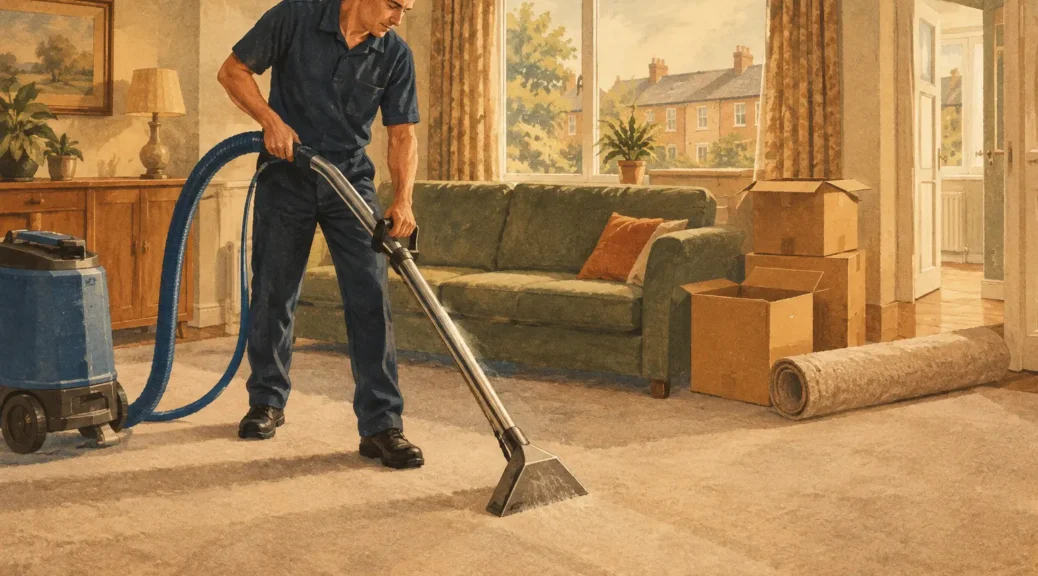
A tired carpet can be the detail that spoils an otherwise spotless property. Whether you are handing back the keys, preparing a rental for new tenants or getting a home ready for sale, professional carpet cleaning can make rooms look fresher, smell cleaner and feel properly finished.
For tenants, it can help meet the standard expected at an end-of-tenancy inspection. For landlords and letting agents, it is a practical way to present a property well between occupants. For homeowners, it removes one more job from an already long moving checklist. The aim is simple: clean carpets properly, keep the process straightforward and leave the property ready for what comes next.
Why carpet cleaning matters at move-out
Carpets hold more than everyday dust. Foot traffic, pet hair, food spills, muddy shoes, make-up, drinks and cooking odours can all become trapped in the fibres. A quick vacuum improves the surface, but it will not always lift embedded dirt, old marks or lingering smells.
This matters most when a property is being inspected. Tenants may need to show that they have returned the home in a clean condition, allowing for fair wear and tear. Landlords need a clean, neutral space that is ready to photograph, market or hand over. In both cases, the appearance and condition of the carpet can shape the first impression of the whole room.
Professional cleaning is not a promise that every long-standing stain will disappear. Some marks have permanently altered the fibres or backing, and bleach, dye, burns and severe pet damage may need repair or replacement rather than cleaning. But the right treatment can significantly improve many carpets, especially when it is carried out before dirt becomes deeply set.
When to book carpet cleaning
The best time depends on the job around it. If you are moving out, book carpet cleaning after furniture, boxes and rubbish have been removed. Cleaners can then reach the full floor area without working around sofas, beds and storage units. It also avoids fresh footprints and accidental spills after the job is complete.
If you are arranging an end-of-tenancy clean as well, coordinate the services as one plan. Carpets should normally be cleaned once the main cleaning, clearance and removal work is finished. This creates a better result and prevents dust from cleaning other areas being walked back onto damp carpet.
For landlords and agents, cleaning between tenancies is usually most efficient when scheduled directly after keys are returned and before maintenance, viewings or new occupants arrive. A vacant property is quicker to work in, easier to assess and simpler to turn around on a tight deadline.
Short-notice work is common. A completion date moves, a new tenant is arriving early or an inspection has been booked sooner than expected. In these situations, choosing a provider that can arrange cleaning alongside removals, clearance or deep cleaning saves valuable time and avoids chasing several separate companies.
What a professional carpet clean can deal with
The treatment needed will depend on the carpet material, its age, the type of staining and how heavily the room has been used. A bedroom with light dust needs a different approach from a hallway with muddy traffic marks or a lounge affected by pets.
A proper assessment should consider the condition of the carpet before cleaning begins. The team can identify obvious stains, high-traffic areas, odours and any concerns that may affect the result. This is also the right point to mention previous cleaning products. Some shop-bought treatments can leave residue behind or set certain stains, so honest information helps avoid surprises.
Professional carpet cleaning commonly improves everyday dirt, surface marks, food and drink spills, tracked-in soil, pet hair and stale odours. It can also revive areas that look flat or grey from frequent use. The goal is not to disguise problems, but to clean the fibres thoroughly and leave the room looking cared for.
Avoid the mistakes that make carpets harder to clean
When a spill happens, acting quickly helps. Blot liquid with a clean, dry cloth rather than rubbing it deeper into the pile. Work from the outside of the mark towards the centre and avoid soaking the carpet. Rubbing aggressively can spread the stain, damage the fibres and leave a larger patch than the original spill.
Be careful with strong chemicals and online cleaning tricks. Bleach, washing-up liquid, vinegar and heavily scented sprays are not suitable for every carpet. They can cause discolouration, sticky residue or a smell that masks the problem rather than dealing with it. If you are unsure, leave the stain alone and explain what happened when booking.
Do not wait until moving day to check the carpet condition. Walk through each room a week or two before your final clean where possible. Look under furniture, near doorways, beside beds and around skirting boards. This gives you time to arrange a quote, plan access and deal with any damage that cleaning alone cannot resolve.
Carpet cleaning for tenants and landlords
Tenants should check their tenancy agreement and inventory before arranging work. Some agreements ask for carpets to be cleaned where pets have been kept or where they were professionally cleaned at the start of the tenancy. The wording matters, but so does the actual condition of the property.
Keep records of the work completed, especially if a deposit discussion is likely. Clear communication with the landlord or letting agent can prevent last-minute confusion about access, timings or expectations. If there are stains that were already present when you moved in, refer back to the original inventory and photographs.
Landlords benefit from a consistent turnaround process. When cleaning, waste removal, property clearance and minor move-out tasks are arranged in the right order, the property can be ready sooner. It is more convenient than asking different suppliers to work around one another, and it gives you a clearer view of what has been done before the next tenant arrives.
Make your booking faster and more accurate
A good quote starts with useful information. Explain how many rooms need cleaning, whether there are stairs or landings, the approximate carpet condition and any visible stains or pet odours. Photographs can be helpful for difficult areas, particularly where there is heavy marking or damage.
You should also confirm access arrangements. Is the property empty? Is parking available close by? Are keys being collected from an agent, or will someone be on site? These details make it easier to plan the visit and keep the work moving without avoidable delays.
If you need more than one service, say so at the outset. Vantage 24/7 Services can combine carpet cleaning with removals, house clearance, end-of-tenancy cleaning, oven cleaning or waste removal, depending on the property and your requirements. One coordinated booking is often quicker, simpler and more cost-effective than organising separate suppliers, particularly when dates are tight across Cambridge and Cambridgeshire.
After cleaning: drying time and final checks
Carpets may be slightly damp after cleaning, so allow time for them to dry before replacing furniture or walking across them regularly. Drying time varies with carpet thickness, ventilation, weather and the treatment used. Opening windows where practical and keeping the room well ventilated can help.
Before leaving the property, take a final set of photographs in good light. Check corners, wardrobes, stairs and the areas behind doors, as these are easy to miss. If you have booked several services, do one last walkthrough after everything is complete rather than checking each job in isolation.
A clean carpet will not solve every move-out issue, but it can remove a major source of stress and make the whole property feel ready. Book early where you can, be clear about the condition of the rooms, and let one reliable team take care of the jobs that need to happen before the next set of keys changes hands.