
 CALL US NOW
 GET A FREE QUOTE
Oven Cleaning St Neots: The Complete Guide to a Spotless Oven (2026)
A clean oven does more than improve the look of your kitchen. It helps food cook more evenly, reduces smoke and odours, and can extend the life of your appliance. This guide explains how oven cleaning St Neots works, when to book a professional oven cleaner, how to handle a self-cleaning oven safely, and which methods work best for oven doors and glass.
Book Oven Cleaning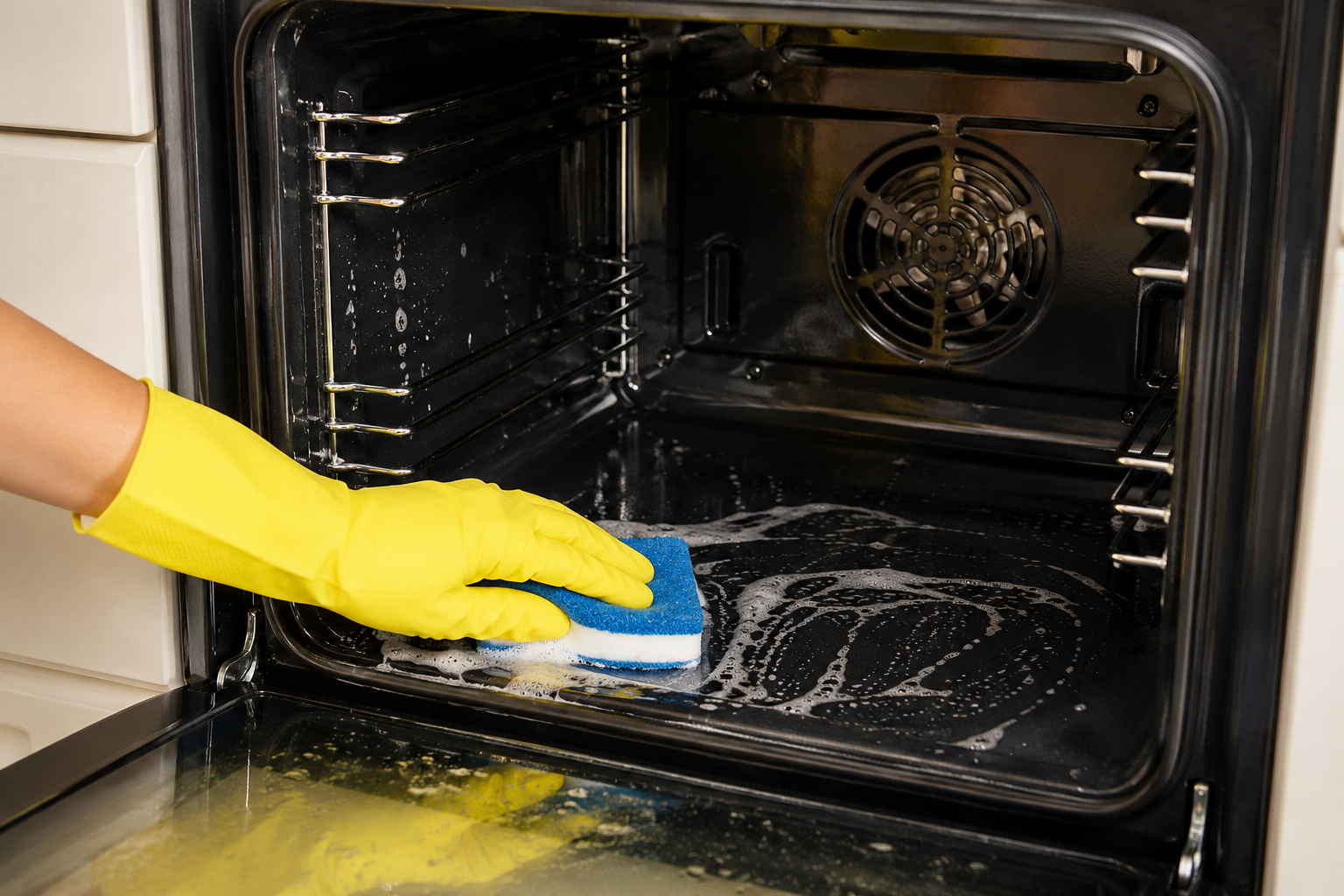
Why Oven Cleaning Matters
An oven is one of the hardest-working appliances in the home, and over time grease, burnt-on food and carbon deposits can build up inside it. That buildup does more than make the oven look dirty; it can also create smoke, unpleasant smells and uneven cooking. In a busy household, a neglected oven can quickly become one of the most frustrating cleaning jobs in the kitchen.
For homeowners in St Neots, regular oven cleaning service is especially useful if you cook often, roast meats, bake frequently, or use your oven for family meals several times a week. The more you use it, the faster grime collects on the shelves, door glass, fan cover and internal walls.
Why People in St Neots Need Oven Cleaning
Every kitchen has different needs, and every oven cleaning job is different. Some households simply cook often enough that grime builds up fast, while others need a deep clean before a big event, a house move, or the end of a tenancy. Whatever the situation, professional oven cleaning St Neots specialists can restore your oven quickly and safely.
- Frequent Cooking: Roasting, baking or cooking family meals several times a week builds up grime fast.
- Neglected Ovens: If it has been a while since your last clean, grease can turn into a much tougher job.
- End of Tenancy: Landlords and tenants need the oven restored before check-out or a new tenant moves in.
- Property Sales: A spotless oven helps present the kitchen at its best for viewings.
- Smoke & Odour Issues: Burnt-on residue can cause smoke and unpleasant smells during cooking.
- Busy Households: Families short on time often prefer a professional deep clean over a DIY rescue job.
Signs Your Oven Needs Cleaning Now
A light clean every week or two can prevent grease from building up, and a deeper clean every few months is a sensible routine if you cook often. The more regularly you clean, the less likely you are to need a major rescue clean later.
Preparing Your Oven for Cleaning
Before you start, switch the oven off completely and let it cool. Safety matters more than speed, especially if you plan to use any chemical cleaner or remove removable parts such as racks and trays. Take everything out of the oven that you can, including trays, racks and thermometers, so you can clean each part properly.
It also helps to protect the floor around the appliance with an old towel or sheet, and keep your supplies nearby so you don't need to stop and start repeatedly.
- ✔ Gloves
- ✔ Sponge and microfiber cloths
- ✔ Plastic scraper (never metal, on glass)
- ✔ Warm water
- ✔ Natural cleaning mix (baking soda & vinegar) or a specialist oven cleaner
- ✔ An old towel or sheet to protect the floor
Method-by-Method Oven Cleaning Guide
There is no single best method for every oven. The right approach depends on how dirty the appliance is, what type of finish it has, and whether you're cleaning a standard oven, a range cooker, or a self-cleaning oven.
Oven Glass Door
- Start with a soft cloth and warm soapy water for light grease.
- For heavier marks, apply a baking soda and water paste, let it sit, then wipe gently.
- Avoid abrasive pads or metal scrapers — they can scratch the glass.
- Use a plastic scraper for stubborn marks and a microfiber cloth for the final polish.
Self-Cleaning Ovens
- The self-clean cycle uses very high heat to burn residue into ash, wiped away once cool.
- Works best on light to moderate soil — may not remove thick grease from every corner.
- Always read the manufacturer's instructions before using self-clean mode.
- Some models require racks to be removed first, and shouldn't be run while heavily soiled.
Using Oven Cleaner Safely
- Choose a cleaner matched to your oven type — standard, or safe for self-cleaning/coated interiors.
- Always check labels carefully, wear gloves, and keep the room ventilated.
- Spray-on formulas break down grease faster than hand-cleaning alone on stubborn buildup.
- Never mix cleaning products with other chemicals unless the label confirms it's safe.
Common Mistakes to Avoid
- Using harsh scrubbing pads on glass or enamel surfaces.
- Running a self-clean cycle without checking the oven is ready, or the room is ventilated.
- Mixing a spray oven cleaner with vinegar, bleach, or other chemicals.
- Switching between cleaning methods without letting the oven cool fully first.
Professional Oven Cleaning in St Neots
For many homes, booking a professional oven cleaning service is the easiest way to get a deep, reliable finish. A trained team can remove the racks, clean the interior, restore the glass, and reach awkward areas that are often missed during DIY cleaning.
Local oven cleaning St Neots services also offer convenience for busy households, landlords, and people preparing a property for sale or end of tenancy — especially helpful if the oven has years of baked-on grease, a smoked interior, or a heavily stained door.
DIY Oven Cleaning vs Professional Oven Cleaning
Many homeowners start by cleaning the oven themselves. This works well for light, regular maintenance — but heavier jobs often benefit from a professional's tools and experience.
| DIY Cleaning | Professional Cleaning |
|---|---|
| Time-consuming multi-step process | Completed efficiently by a trained team |
| Limited to household chemicals and tools | Specialist products and equipment |
| Risk of scratching glass if abrasive pads are used | Safe techniques for glass and coated interiors |
| Racks, fan covers and seals often missed | Reaches and restores all awkward areas |
| May need repeat effort for heavy grease | Deep, reliable finish typically in one visit |
Oven Cleaning for Landlords & Estate Agents
Landlords, letting agents and property managers regularly need the oven professionally cleaned between tenancies. A greasy, neglected oven is one of the most common issues raised at end-of-tenancy checkouts.
Booking a professional oven clean alongside other end-of-tenancy or moving-day services helps present the kitchen at its best for new tenants or buyers, without adding extra time to your own to-do list.
- ✔ Faster property turnaround.
- ✔ Kitchen presented at its best for viewings.
- ✔ Restored glass, racks and interior — not just a surface wipe.
- ✔ One less thing to check at the end-of-tenancy inspection.
Why a Spotless Oven Matters
A clean oven does more than improve the look of your kitchen. It helps food cook more evenly, reduces smoke and unpleasant odours during cooking, and can extend the life of your appliance by preventing grease and carbon buildup from affecting its performance over time.
Whether you use a self-cleaning oven or a manual model, consistent upkeep is always easier than an occasional deep scrub — and a well-maintained oven makes everyday cooking that bit more pleasant.
Final Thoughts
A spotless oven is easier to cook with, easier to maintain, and better for the overall kitchen environment. Whether you prefer DIY cleaning, a trusted oven cleaner, or a full professional oven cleaning St Neots service, the key is to stay consistent and use the right method for your appliance.
If your oven glass is stained, the interior is greasy, or the appliance hasn't been cleaned in a long time, starting with a safe step-by-step approach will give you the best results. For heavier jobs, having the oven professionally cleaned by local specialists is often the fastest and most effective route.
Frequently Asked Questions
How do you clean the glass door on an oven?
Use warm soapy water for light dirt, or a baking soda paste for heavier marks. Let the paste sit, then wipe with a microfiber cloth and use a plastic scraper if needed. Avoid abrasive pads because they can scratch the glass.
What is the best oven cleaner for heavy grease?
A strong spray oven cleaner can work well on heavy grease, but always choose a product suitable for your oven type. For very stubborn buildup, a professional oven cleaner may give better results with less effort.
Can I use a self-cleaning oven every week?
No, that is usually unnecessary. A self-cleaning oven cycle is best used occasionally, while light spills should be cleaned manually between deeper cleans. Regular maintenance is safer and helps protect the appliance.
How do you clean oven door glass without scratching it?
Soften the grime first with warm water, baking soda paste, or a suitable glass-safe cleaner. Then wipe with a soft cloth or microfiber towel. Do not use steel wool or abrasive scouring pads.
Is professional oven cleaning worth it in St Neots?
Yes, especially if the oven is heavily soiled, you are short on time, or you want a deep clean without the hassle. Local professional oven cleaners can restore the oven more thoroughly and save a lot of effort.