
 CALL US NOW
 GET A FREE QUOTE
Why Autumn Garden Clearance Is Important
Autumn garden clearance is one of the simplest ways to protect your outdoor space before winter arrives. It helps reduce pests and disease, keeps lawns and paths safer, improves soil health, and makes spring garden work much easier.
When the growing season slows down, gardens collect dead leaves, faded plants, weeds, and broken stems. Clearing that material at the right time gives your garden a cleaner start, helps plants recover more effectively next year, and stops minor problems from turning into bigger ones over winter.
Get a Free Quote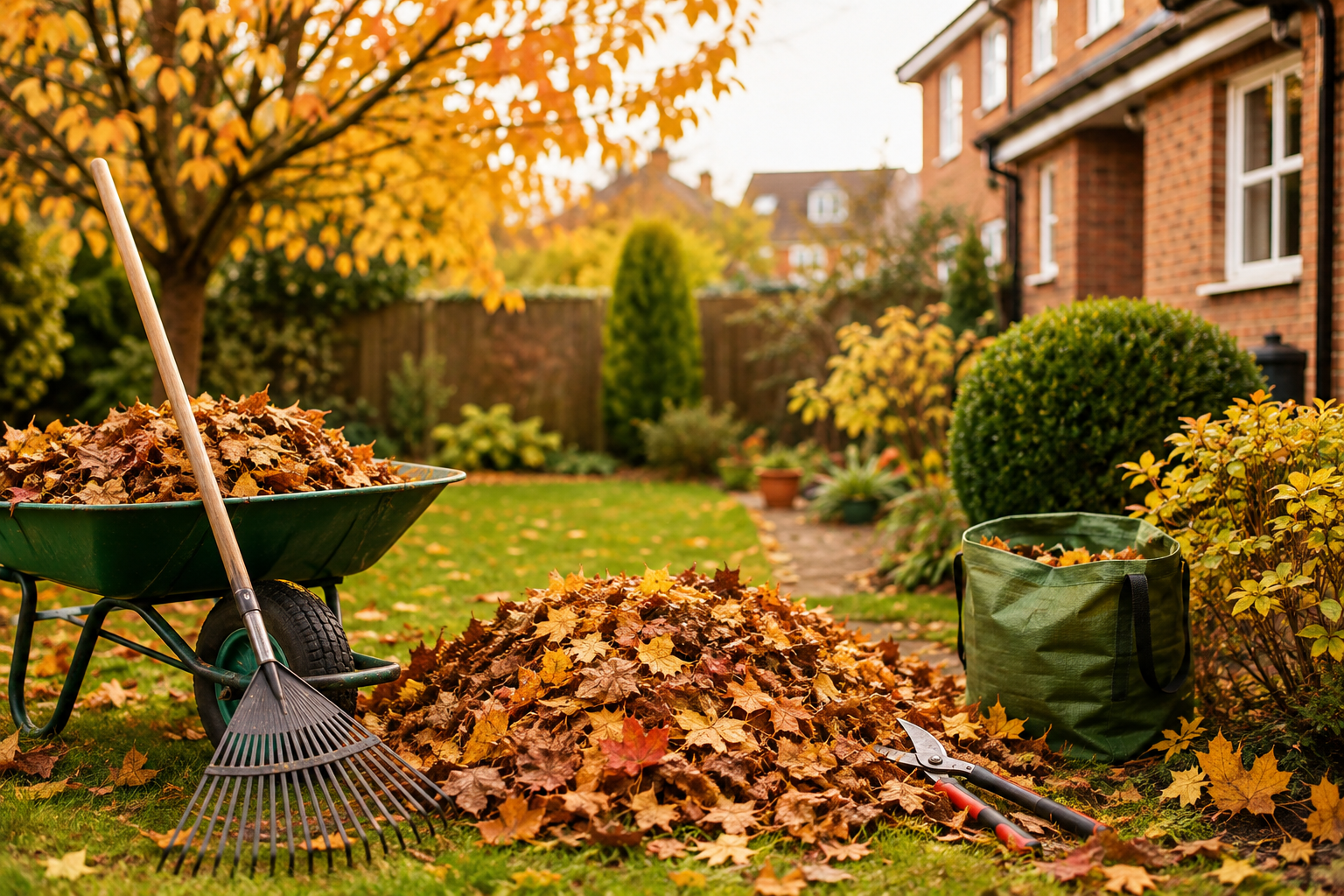
Removing Dead Growth
Autumn is the right time to clear away dead stems, old flowers, and tired foliage. Doing this reduces hiding places for pests and lowers the chance of fungal diseases surviving into the next season.
Dead plant material does not just look untidy; it can also trap moisture and create the kind of damp conditions many garden problems enjoy. By removing unhealthy growth, you improve airflow around plants and give stronger plants more room to thrive.
That does not mean stripping the garden bare. Some stems and seed heads can still support wildlife through winter, so the best approach is to remove anything rotten, diseased, or invasive while leaving some healthy structure where it benefits birds and beneficial insects.
Managing Fallen Leaves
Fallen leaves are a natural part of autumn, but they need to be managed properly. Thick layers of leaves can smother grass, block light, hold moisture, and create slippery surfaces on paths and patios.
On lawns, too many leaves can weaken the grass and leave bare patches behind in spring. Regular raking keeps air and light reaching the turf and helps prevent moss and rot from taking hold during wet weather.
Leaves are not waste if you use them well. Healthy leaves can be composted or turned into leaf mould, which is a valuable soil improver for borders, beds, and containers. If the leaves are diseased, it is better to remove them rather than add them to compost.
Protecting Soil and Beds
Once the garden is cleared, autumn is a good time to feed and protect the soil. Beds and borders often become tired after summer, and adding compost or mulch helps restore nutrients and improve moisture retention.
A protective layer over the soil also helps suppress weeds and shield the ground from harsh winter weather. This can reduce the amount of work needed in spring and keep borders looking neat through the colder months.
It is better to avoid heavy digging in wet soil because that can damage its structure. If the ground is waterlogged, surface clearing and mulching are usually more sensible than turning it over too much.
Tidying Lawns and Paths
Autumn garden clearance is not only about beds and borders. Lawns, paths, patios, decking, and drains all benefit from attention before winter weather sets in.
Wet leaves, moss, and debris can make surfaces slippery and unsafe, especially on shaded paths or decking. Clearing them early helps reduce the risk of accidents and keeps the garden easier to use even when the weather turns damp and cold.
It also protects drainage. If leaves and garden waste are left to build up around gutters or drains, water can collect in the wrong places and cause problems later in the season.
Pruning With Care
Autumn is a sensible time to prune damaged, crossing, or diseased branches, especially when they are blocking paths or crowding other plants. Careful pruning improves shape, airflow, and access while reducing the risk of winter damage.
The key is to prune selectively, not aggressively. Some plants should be left alone until spring, especially spring-flowering shrubs that already carry next year's buds. Cutting those back too hard can remove the flowers you were expecting next season.
Clean, sharp tools matter here. Good pruning practice reduces the risk of spreading disease and helps make cleaner cuts, which plants usually recover from more easily.
Preparing for Spring
One of the biggest benefits of autumn clearance is how much easier it makes spring gardening. With leaves removed, weeds cleared, and beds tidied, new growth can begin without having to compete with old debris and pests.
Autumn is also a practical time to plant spring bulbs, divide crowded perennials, and refresh tired borders. The soil is often still warm enough to help roots settle before colder weather arrives.
If you want a better-looking garden next year, the work done in autumn matters. A few careful hours now can save a great deal of effort when the growing season starts again.
Wildlife Balance
A good autumn clear-up should be tidy, but not over-sterilised. Gardens can support birds, insects, and other wildlife over winter if some shelter and food sources are left in place.
That is why many gardeners now take a balanced approach. Remove diseased material, weeds, and excess debris, but leave some seed heads, dense stems, or sheltered corners where they are useful for nature.
This makes autumn clearance more sustainable. You still protect the garden from disease and decay, while also avoiding a completely bare space that offers little for wildlife.
Practical Autumn Jobs
If you want to make autumn clearance more manageable, work through the garden in sections. Start with the worst mess first, such as rotting leaves, collapsed annuals, and weeds that have already gone to seed.
Then move on to the jobs that protect the garden for winter:
- Rake leaves from lawns, paths, patios, and decking.
- Remove dead or diseased growth from beds and borders.
- Cut back only the plants that need it, not everything in sight.
- Add compost or mulch to improve the soil.
- Check drains, gutters, and outdoor surfaces for blockages.
You can also sort reusable garden waste as you go. Healthy leaves and soft clippings can be composted, while diseased material should be disposed of separately.
Why It Matters
Autumn garden clearance matters because it protects the health, safety, and appearance of your garden at the point when it is most vulnerable. It reduces pest and disease pressure, keeps lawns and paths safer, supports soil recovery, and helps the garden enter winter in better shape.
It is also a chance to prepare for the next season. By clearing what should go, keeping what should stay, and improving the soil underneath, you create a stronger foundation for spring growth and a more manageable garden all year round.
FAQ
What should be added to beds in autumn?
Compost, well-rotted manure, leaf mould, or a light mulch are all useful additions in autumn. They help improve soil structure, feed plants gradually, and protect the ground through winter.
Which plants are best left uncut in autumn?
Spring-flowering shrubs and any plants with healthy seed heads are often better left until later. Cutting too early can remove next year's flowers and reduce food or shelter for wildlife.
Which autumn plants keep gardens colourful?
Pansies, heathers, evergreens, and some late-season flowering plants help keep colour in the garden during colder months. Bulbs planted in autumn also provide strong spring colour later on.
How do you prepare a garden for colder weather?
Clear fallen leaves, remove dead growth, protect tender plants, mulch beds, and clean up drains and paths. These steps help reduce damage, improve drainage, and make the garden easier to manage in winter.
When is the best time to clear the garden in autumn?
The best time is usually while the weather is still relatively mild and dry, before leaves have built up and before hard frosts arrive. That makes clearance easier and helps the garden settle before winter.