
 CALL US NOW
 GET A FREE QUOTE

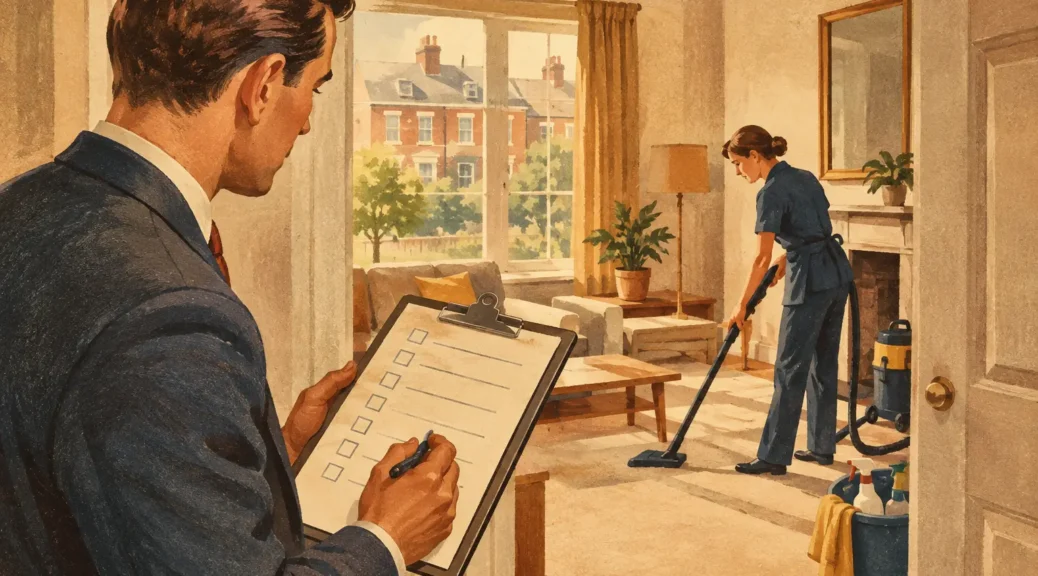
A vacant rental property costs money every day it sits empty. A clear landlord turnover checklist helps you move from one tenancy to the next without missed repairs, rushed cleaning or last-minute disposal problems. The aim is not simply to make the property look presentable. It is to hand over a safe, clean and well-maintained home that gives new tenants confidence from day one.
For landlords managing homes in Cambridge and across Cambridgeshire, the quickest route is often to plan the work in the right order. Check the condition, remove what has been left behind, arrange repairs, complete a proper clean, then carry out final safety and presentation checks. Trying to do everything at once usually causes delays.
Start the landlord turnover checklist before move-out
The best turnover work starts before the outgoing tenant has returned the keys. Confirm the agreed move-out date in writing and arrange a pre-check where appropriate. This gives you an early view of any damage, cleaning issues or bulky items likely to be left behind.
Ask the tenant to remove all belongings, empty cupboards and outdoor storage, put rubbish in the correct bins, return every key, fob and parking permit, and provide final meter readings. Be clear about what is expected, but do not assume the property will be ready exactly as planned. A backup plan for clearance and cleaning prevents a small issue becoming a lost week of rent.
Review the original inventory and check-in photographs at this stage. They are useful references when assessing whether marks, damage or missing items go beyond normal wear and tear. Be fair and factual. A worn carpet after a long tenancy is different from a carpet that is heavily stained, burnt or torn.
Book trades and services in the right order
If you know the property needs work, schedule it early. Repairs and decorating should normally happen before the final clean. Clearance should come before both. Carpet cleaning is usually one of the last jobs, once tradespeople have finished walking through the property.
For a short void period, using one local provider for clearance, waste removal, cleaning and transport can save a great deal of coordination. Vantage 24/7 Services can combine property support jobs where needed, so you are not chasing separate firms for a van, a clearance team and end of tenancy cleaners.
Inspect the property room by room
A room-by-room inspection is more reliable than a quick walk-through. Take dated photographs and notes, even if there are no obvious problems. They create a clear record for your files and make it easier to prioritise the jobs that affect the next tenancy.
Start with the entrance and communal areas. Check doors, locks, letterboxes, doorbells, smoke alarms, flooring and lighting. Make sure the property feels secure immediately. A stiff lock or damaged front-door seal may seem minor, but it is exactly the kind of issue a new tenant notices on moving day.
In the kitchen, test appliances that are supplied with the tenancy, check cupboard doors and drawers, inspect worktops and seals, and look beneath the sink for leaks. The oven, extractor, fridge, freezer and washing machine need particular attention. Old food, grease and limescale can make an otherwise good kitchen feel neglected.
Bathrooms need a close look at silicone, grout, extractor fans, taps, plugs, toilet seats and water pressure. Mould around a bath or shower may be a cleaning issue, but recurring mould can point to ventilation or leak problems. Deal with the cause as well as the visible mark.
In bedrooms and living areas, look for wall damage, damaged blinds, loose sockets, broken curtain poles, stains, carpet wear and signs of pests. Open and close every window. Check that radiators respond, lights work and furniture is present if the property is let furnished.
Do not forget outside areas. Clear abandoned items, cut back overgrowth where necessary, check bins and inspect sheds, garages, gates and fences. A tidy garden or courtyard makes the first viewing and move-in far easier.
Deal with belongings, rubbish and clearance properly
Left-behind possessions are one of the biggest causes of delayed turnarounds. Do not automatically throw everything away, particularly if the item could reasonably be valuable or personal. Follow the correct process under the tenancy agreement and give the former tenant a reasonable opportunity to collect items where required.
Once you are entitled to remove them, arrange a proper house clearance or waste removal service. This is safer and quicker than filling domestic bins over several collection days. It also avoids the risk of fly-tipping, blocked access or neighbours complaining about rubbish outside the property.
Separate reusable furniture, electrical items, general waste, green waste and anything that requires specialist disposal. Paint, chemicals, batteries and some electrical goods cannot simply be added to a general rubbish load. A professional clearance team can advise what can be removed and how it should be handled.
Clean for the next tenant, not just for photographs
A light wipe-down is rarely enough between tenancies. New tenants will open cupboards, use the oven, look behind doors and notice dusty skirting boards. A proper end of tenancy clean protects your standards and reduces complaints in the first week.
Focus on the areas that take the longest to put right: kitchens, bathrooms, ovens, carpets, inside cupboards, windows, internal glass, light fittings and high-touch points such as handles and switches. Deep cleaning can also reveal maintenance issues hidden by grime, including cracked tiles, damaged worktops or leaks.
Whether carpets need professional cleaning depends on their condition, material and the tenancy agreement. It is often worthwhile after a long tenancy, pet occupation or visible staining, but replacement may be the better choice if the carpet is already at the end of its usable life. Paying repeatedly to clean a badly worn carpet can be false economy.
If timing is tight, book cleaning after clearance and repairs are complete. That order matters. There is little value in paying for a spotless property only for trades, decorators or removal teams to leave dust and footprints behind.
Complete safety, compliance and practical checks
A fast re-let should never mean cutting corners on safety. Before a new tenancy begins, make sure your legal and practical checks are current for the property and tenancy type. Requirements can change, so keep accurate records and seek qualified advice when you are unsure.
Your final checks should cover the following distinct areas:
- Smoke and carbon monoxide alarms are installed where required, tested and recorded.
- Gas safety documentation is current where there is a gas supply or appliance.
- Electrical safety requirements, including the relevant inspection report, have been met.
- Furniture and supplied appliances are safe, clean and working as intended.
- Fire doors, escape routes, locks and external lighting are in good order.
- Energy, water and council tax responsibilities are clear for the void period and incoming tenancy.
Replace batteries where needed, label stopcocks and fuse boards if they are not obvious, and leave instruction manuals for supplied appliances. These small details reduce avoidable calls from a new tenant.
Reset utilities, keys and paperwork
Take final meter readings with photographs before the new tenant moves in. Notify utility providers of the change of occupancy, check broadband arrangements if they are included, and make sure bills are directed correctly during the void.
Collect every key from the previous tenant and count them. Then decide whether locks need changing. A lock change is sensible if keys are unaccounted for, the property has changed hands, or you cannot be confident who may still have access. Test every new key yourself.
Prepare an updated inventory with clear photos, including meter readings, appliance condition, walls, floors, gardens and any furnished items. Agree the check-in process with the incoming tenant so there is a shared record from the outset.
Plan the final 24 hours before handover
The day before move-in, carry out one last walk-through as if you were the new tenant. Turn on lights, run taps, flush toilets, open windows and test heating controls. Look for dust, odours, forgotten rubbish, missed repairs and anything that could make the arrival feel difficult.
Leave the property dry, aired and secure. Put keys, fobs, manuals and emergency contact details in one clearly marked place. If a job has been completed at short notice, inspect it rather than assuming it is done to the right standard.
A well-managed turnover is not about making a property look perfect at the lowest possible cost. It is about spending wisely on the jobs that protect the property, shorten the void and give a good tenant a reason to look after their new home. When several jobs need doing at once, arranging clearance, cleaning and moving support together can turn a stressful gap between tenancies into a straightforward handover.