
 CALL US NOW
 GET A FREE QUOTE

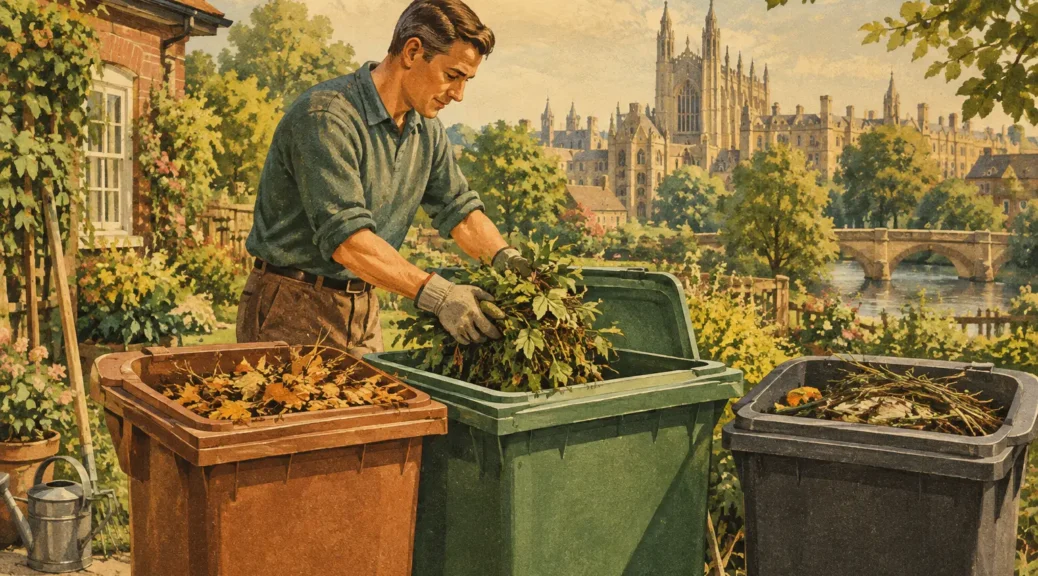
A garden can look transformed after one hard weekend of cutting back, pruning and clearing. The less enjoyable part is often the pile left behind: bags of hedge trimmings, branches by the fence, an old shed panel and a broken patio pot that will not fit in the bin. This Cambridge garden waste guide helps you choose the right disposal route, avoid contaminated loads and get the job finished without several trips or last-minute stress.
Cambridge garden waste guide: choose the right route
The best option depends on what you have, how much there is and whether you need the garden cleared quickly. A few bags of soft cuttings are very different from a full garden tidy after a tenancy, house move or landscaping job.
For regular, manageable garden waste, a council green-bin collection can be a convenient option. Collection arrangements, accepted items, subscriptions and dates can differ between Cambridge and surrounding district areas, so check the rules for your address before filling the bin. Do not assume that a material accepted in one local authority area will be accepted in another.
Home composting also works well for suitable green material, particularly grass cuttings, leaves, small prunings and non-invasive plants. It reduces the volume you need collected and gives you compost for borders and pots. However, it is not always practical when a garden is overgrown, you are moving out, or the waste includes woody branches, old timber and bulky items.
A booked garden clearance is usually the straightforward route for large, mixed or urgent jobs. It saves you hiring a vehicle, making repeated recycling-centre journeys and working out how to separate every awkward item yourself. A professional team can remove the waste from the garden, load it and take it away, leaving you with usable outdoor space rather than a pile waiting by the gate.
What counts as garden waste?
Garden waste is more than lawn clippings. The key question is whether the material is clean, natural green waste or mixed with items that need a different disposal method.
Common garden waste includes:
- Grass cuttings, leaves, weeds and dead plants
- Hedge trimmings, twigs and smaller branches
- Flowers, fallen fruit and plant cuttings
- Untreated wood from basic garden maintenance, where accepted by the chosen disposal service
Woody waste can be awkward because it takes up space quickly. Small branches may be suitable for chipping or a green-waste collection, while thicker branches may need cutting down first or removing as part of a clearance. Do not force large branches into a wheelie bin, as this can prevent collection and damage the bin.
Some materials are often mistaken for garden waste but need separating. Soil, turf, stones, rubble and paving slabs are heavy inert materials. Plant pots, plastic edging, garden furniture, children’s play equipment, fencing, sheds and broken tools are not green waste either. They can still be removed, but they should be described clearly when arranging a collection so the right vehicle, labour and disposal route can be planned.
Japanese knotweed and other invasive plants require extra care. Do not add them to your compost heap or mix them into ordinary garden waste without confirming the correct process. Specialist handling may be needed to prevent spread and meet disposal requirements.
Use the green bin properly
A green bin is ideal for routine garden maintenance, but it is not designed for a whole garden-clearance project. If you have just reduced a mature hedge or cleared years of growth, the amount of waste can easily exceed several collections.
Keep the contents loose where possible. Avoid filling the bin with soil, packing it with large logs or adding plastic bags, even if those bags contain leaves. Contamination can mean the bin is not emptied, leaving you to sort it out on collection day.
Wet grass is another common issue. It is surprisingly heavy and can compact at the bottom of the bin. Mix it with dry leaves or small twigs where you can, and do not overfill. The lid should close properly and the bin must be safe for the collection crew to move.
If a collection is missed, a booked garden-waste removal may be more practical than letting bags build up for another fortnight. This is especially useful before viewings, inspections, handovers or a planned house move.
When a garden clearance is the better option
A clearance service makes sense when speed, access or volume is the problem. This is often the case for landlords preparing a property between tenancies, homeowners reclaiming an overgrown garden, and families clearing a relative’s home.
It is also useful where waste is mixed. A garden may contain green cuttings alongside old fencing, a damaged trampoline, rotting timber, broken pots and general rubbish. Trying to arrange separate collections for each category can take more time than the clearance itself.
With Vantage 24/7 Services, customers across Cambridge and wider Cambridgeshire can arrange fast, flexible garden clearance alongside house clearance, waste removal or end-of-tenancy cleaning. That one-stop-shop approach is particularly helpful when a property needs to be ready quickly. Rather than coordinating several suppliers, you can organise the clearance and related property-support work through one reliable team.
A professional removal service is also valuable where access is limited. Narrow side passages, shared entrances, stairs from a raised garden or no suitable vehicle can turn a simple tip run into an all-day job. Let the provider know about access restrictions in advance so they can plan the labour and vehicle correctly.
Getting an accurate garden-clearance quote
Clear, competitive pricing starts with clear information. Say what needs removing, estimate the number of bags or describe the area, and mention any bulky items such as a shed, fence panels or garden furniture. Photos can help show the volume and identify mixed materials.
Also explain where the waste is located. Is it at the front of the property, at the bottom of a long garden, behind a locked gate or in a communal area? A quote based only on a few black bags can change if the job actually includes heavy soil, dismantling or a long carry to the vehicle.
If you are combining jobs, ask about a multi-service booking. For example, a move-out may involve removals, a garden tidy, house clearance and deep cleaning. Booking work together can be more convenient and may offer better value than arranging each part separately.
Do not put these items in with green waste
Mixed waste is one of the main reasons for collection problems and unexpected costs. Keep garden waste separate from household rubbish, builders’ waste and hazardous materials wherever possible.
Items to flag separately include soil and rubble, paint and chemicals, gas bottles, electrical items, tyres, treated timber, animal waste and sharp objects. If you are unsure about something, ask before it is loaded. It is quicker to identify the material at the start than to discover it cannot go with the rest of the collection.
Burning waste can seem tempting when the pile is large, but it can upset neighbours, create smoke and leave you with ash and partly burned material to deal with. Local restrictions, weather conditions and the type of material all matter. Removal or authorised disposal is usually the cleaner, more considerate choice.
Avoid fly-tipping and protect yourself
Never hand waste to an unknown collector simply because the price sounds unusually low. If your garden waste is dumped illegally, the consequences can come back to the person who produced it. Ask who is carrying the waste, make sure the arrangement is clear and retain the details of the collection.
Be cautious with social-media adverts offering an instant cash collection with no paperwork or business information. A legitimate waste-removal provider should be open about the service, the likely cost and what they can take. The cheapest option is not good value if it leaves you with a complaint, a fine or waste still sitting outside your property.
Plan ahead for a cleaner, faster result
For a small job, start by separating green waste from pots, timber and general rubbish. Cut long branches down to a manageable length, keep paths clear and bag loose material only if the collection method requires it. For a larger job, avoid spending hours making every pile perfect before requesting help. A clear description and a few photos are usually enough to get the right service arranged.
If your garden needs attention before a move, tenancy handover or property sale, deal with it before the final week. A tidy outdoor space makes access easier for removals, helps cleaners work efficiently and gives the whole property a better first impression. The right disposal choice is the one that gets the garden clear, keeps waste handled responsibly and lets you move on with the rest of the job.