
 CALL US NOW
 GET A FREE QUOTE
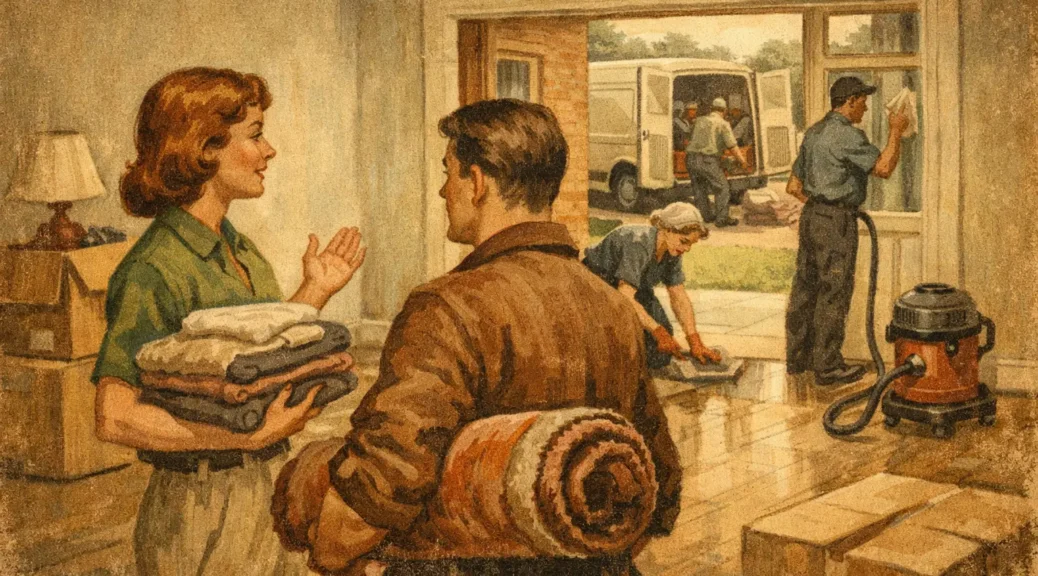
The last box may be in the van, but the job is not always finished. Knowing how to coordinate cleaning after moving out can protect a tenancy deposit, keep a house sale on track and save you from an expensive, stressful return visit. The key is to treat removal, clearance and cleaning as one planned job, rather than three separate problems to deal with at the last minute.
For tenants, the standard expected is usually that the property is returned in the same level of cleanliness as when the tenancy began, allowing for fair wear and tear. For homeowners and landlords, a clean, empty property makes handover simpler and gives the next occupier the right first impression. Timing, access and a clear list of responsibilities make all the difference.
Start with the handover date, then work backwards
Before booking anything, confirm when the property needs to be empty and when keys must be returned. Do not assume you have the whole day if a landlord, agent, buyer or new tenant is expecting access at a set time. A cleaning team cannot properly finish a job while furniture, bags and unwanted items are still in every room.
Work backwards from your deadline. Allow time for the removal, a final check for belongings, any waste or furniture clearance, then the clean. If you are moving from a large house, have a heavy occupancy move, or need carpets and an oven professionally cleaned, it is often safer to leave a full day between the removal and handover where possible.
The most efficient order is simple: remove what is moving with you, clear what is not, then clean the empty property. This avoids paying for cleaners to work around boxes or having a clearance team create dust and mess after cleaning has been completed.
How to coordinate cleaning after moving out without delays
A good move-out clean depends on people arriving in the right order. If you are using separate providers, you will need to manage several booking windows, access arrangements and invoices. That can work for a small flat with very little to clear, but it becomes harder when the move involves bulky furniture, garden waste, several rooms of carpets or a short handover deadline.
Using one provider for removals, clearance and cleaning reduces the number of moving parts. Vantage 24/7 Services can arrange practical support around the same move, including removals, house clearance, waste removal, end of tenancy cleaning, carpet cleaning, oven cleaning and garden clearance. It is a straightforward way to keep the timetable under control, especially when plans change or you need help at short notice.
When requesting a quote, give clear details about the property and the work required. Mention the number of bedrooms and bathrooms, whether the property is furnished, which items will remain, whether there are stairs, parking restrictions or lift access, and the exact deadline for key handover. Photographs can also help a provider price clearance and cleaning accurately.
Be specific about the jobs that need booking. A general clean may not cover every item an agent expects, while an end of tenancy clean may need additional services depending on the property’s condition. Common add-ons include:
- Oven cleaning for built-up grease and food residue.
- Carpet cleaning where stains, pet hair or odours need attention.
- Fridge, freezer and appliance cleaning once they have been emptied and defrosted.
- Garden clearance where bins, bags, old furniture or cuttings have been left behind.
- Waste removal for items that cannot go with the household move.
There is no benefit in ordering services you do not need. A recently refurbished, unfurnished property with hard flooring may only require a thorough end of tenancy clean. A long-occupied family home may need clearance, deep cleaning, carpet treatment and outdoor work. Honest information at the booking stage means a more accurate price and fewer surprises on the day.
Decide what leaves before cleaners arrive
The clean should begin only after the property is genuinely empty. Walk through each room with a simple rule: keep, move, donate, recycle or remove. Items left behind can delay cleaners and may lead to extra clearance costs. Check cupboards, loft spaces, sheds, garages, wardrobes and under-stair storage, as these are the places belongings are most often forgotten.
Do not leave rubbish bags for the cleaners unless waste removal has been agreed. Household rubbish, broken furniture, old mattresses, paint tins and electrical items may need separate handling. In many areas, council collections cannot be relied on for a tight move-out deadline, and overflowing bins can create a poor impression at inspection.
If you are selling a property, clarify with the buyer what is included in the sale. Curtains, light fittings, shelving, garden furniture and appliances can all cause confusion. Removing an item the buyer expects to stay is far more difficult to fix once the keys have changed hands.
Give cleaners clear access and enough time
Access is one of the biggest causes of avoidable delay. Keep the keys available until the work is complete, or agree a safe and authorised handover method with your agent, landlord or cleaning provider. Make sure water and electricity remain connected. Cleaning an oven, vacuuming carpets and dealing with marks properly is much harder without power, and cleaners need water for kitchens, bathrooms and floors.
If parking is restricted, arrange permits or tell the team where loading and unloading can take place. This matters in central Cambridge, busy residential streets and flats with shared parking. A van parked far from the property can add time to both clearance and cleaning work.
Ask how long the clean is likely to take, but avoid setting an unrealistic inspection time immediately afterwards. The time needed depends on the size and condition of the property, how much furniture has been removed, and whether specialist work is included. An empty studio can be completed far more quickly than a four-bedroom house with an oven, carpets and neglected bathrooms.
Use your inventory or sale agreement as a checklist
For a rented home, compare the property with the original inventory and check-in report before the final clean is signed off. Focus on areas that are easy to overlook: inside kitchen cupboards, extractor fans, skirting boards, window ledges, bathroom grout, behind appliances and inside the oven. Take dated photographs once the property is empty and clean, including meter readings if required.
Fair wear and tear is not the same as damage or dirt. Faded paint, minor carpet wear from normal use and ageing fixtures may not be your responsibility, but spills, heavy grease, mould caused by poor ventilation, and items left behind can be raised at checkout. If there is existing damage, keep your original evidence available rather than trying to make a rushed repair without approval.
For a sale, check the fixtures and fittings list and leave manuals, spare keys, alarm information and any agreed documents in a clearly labelled place. A clean home is helpful, but a buyer will appreciate being able to find the boiler paperwork and wheelie-bin details as well.
Avoid the common move-out cleaning mistakes
The biggest mistake is booking cleaning before the removal is finished. The second is assuming a quick wipe-down will meet the expected standard. Kitchens and bathrooms usually take the longest, particularly if the property has been lived in for several years.
Another common issue is forgetting the oven until the final morning. Oven cleaning can be time-consuming, and it is not a task most people want to tackle after lifting furniture all day. The same applies to carpets. If you suspect marks or odours need professional treatment, arrange it before the deadline rather than hoping they will disappear with a hire machine.
Finally, do not wait until keys are due back to raise a problem. If an agent requests further cleaning, ask exactly which areas need attention and take photographs. A clear record helps avoid unnecessary disputes and gives you the chance to put things right quickly.
Make the final check calm and practical
Once cleaning and clearance are complete, do one slow room-by-room walk-through. Open every cupboard, check the fridge and freezer are empty, look in the shed, and make sure all rubbish has been removed. Turn off lights, close windows, take final meter readings and collect every key, fob and parking permit.
A move is busy enough without chasing separate removal, waste and cleaning companies on handover day. Build the cleaning plan into the move from the start, leave a realistic time buffer, and get clear confirmation of what each service covers. That small amount of organisation can be the difference between handing back keys with confidence and spending your first evening in the new place sorting out the old one.